
Dizzy, off-balance, and still no real answers?
Dizziness is one of the most misunderstood symptoms in medicine — and one of the most treatable once the cause is found. At LA Hearing Diagnostics, we perform comprehensive dizziness and balance testing, including the gold-standard VNG assessment, right here in Thousand Oaks — so you can stop guessing and start getting better.

Sound Familiar?
You've described it to doctor after doctor. It's still happening.
Research shared by the Vestibular Disorders Association found that, on average, it takes four to five specialists over five to seven years for patients to get a diagnosis for the cause of their dizziness. That's years of skipped activities, fear of falling, and being told "everything looks normal."
The reason is simple: most dizziness starts in the vestibular system — the balance organs of the inner ear — and most clinics aren't equipped to test it. As an audiology practice, the inner ear is exactly what we specialize in.
Vertigo & Spinning
The room spins when you roll over in bed, look up, or turn your head quickly.
Unsteadiness
You feel wobbly on your feet, drift when you walk, or reach for walls and furniture.
Lightheadedness & Brain Fog
A floating, foggy, or disconnected feeling that makes it hard to focus.
Dizziness with Ear Symptoms
Dizzy spells that come with ear fullness, ringing (tinnitus), or hearing changes.
If any of this sounds like you, your symptoms are real, they're common — and in most cases, they can be diagnosed and treated.
Hearing & Balance Are Connected
Your balance system lives in your inner ear.
The inner ear houses both the cochlea (hearing) and the vestibular organs (balance). They share fluid, nerves, and blood supply — which is why dizziness so often comes with ear pressure, ringing, or hearing changes, and why an audiology practice is the right place to test it. It's also why every balance workup here is paired with a full hearing evaluation: conditions like Ménière's disease and labyrinthitis affect both systems, and testing them together is how the full pattern emerges.
The Inner Ear Senses Motion
Five tiny sensors in each ear detect rotation, tilt, and acceleration every moment you move.
The Brain Integrates It
Your brain blends inner-ear signals with vision and body sense. When signals disagree, you feel dizzy.
Testing Finds the Weak Link
Structured vestibular testing shows which part of the system isn't pulling its weight — and points to the treatment.
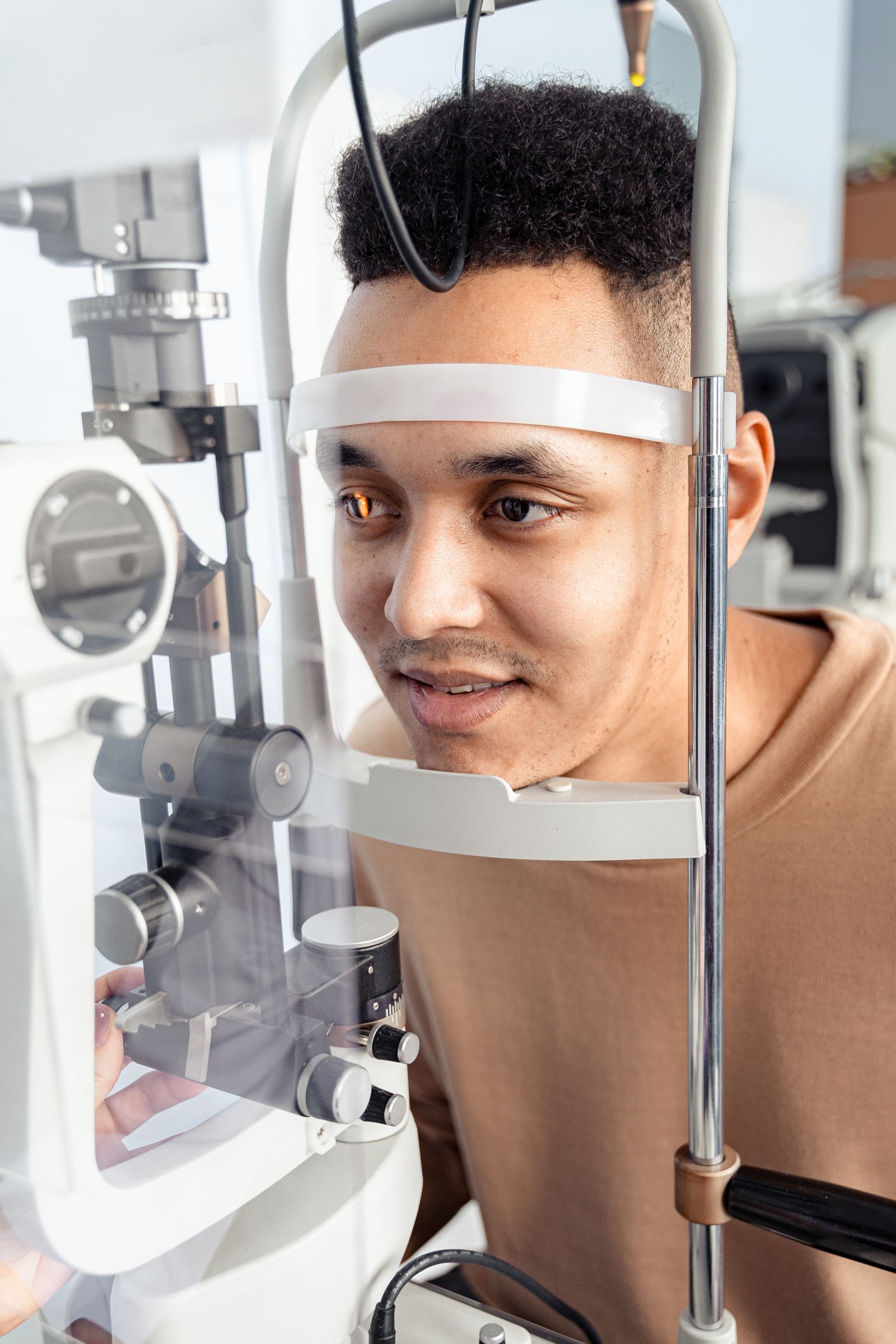
The VNG assessment: your eyes reveal what your inner ear is doing
VNG (videonystagmography) is the gold-standard assessment for dizziness, vertigo, and balance problems. Your vestibular system and your eye muscles are wired together by a reflex loop — when the inner ear misfires, your eyes make small, involuntary movements called nystagmus. You wear a comfortable pair of video goggles while high-speed infrared cameras catch what the naked eye can't — and the patterns tell us where the problem is.
- Comfortable, non-invasive goggle-based testing
- Performed in our Thousand Oaks clinic
- Results reviewed with you the same day
Inside the Assessment
Three families of subtests, one complete picture
Oculomotor Testing
You follow moving lights and targets while the cameras record how smoothly and accurately your eyes track — checking the pathways between your eyes, inner ear, and brain.
Positional Testing
We move you gently through different head and body positions to see whether specific positions trigger nystagmus (involuntary eye movements) — the signature of conditions like BPPV.
Caloric Testing
Warm and cool air is introduced to each ear canal to stimulate the balance organs one side at a time — the only test that can tell us how each inner ear performs independently.
What you walk away with — clear findings, not another shrug
- Whether your dizziness comes from the inner ear (peripheral) or the brain's balance pathways (central)
- Which ear is affected, and how significantly
- Whether you have BPPV — the most common and most treatable cause of vertigo
- Whether a vestibular weakness explains your unsteadiness or fall risk
- Objective documentation you and your physician can act on
What We Look For
Conditions our testing helps identify
BPPV (Benign Paroxysmal Positional Vertigo)
The most common cause of vertigo — tiny crystals in the inner ear shift out of place, triggering brief, intense spinning with head movement. Highly treatable once identified.
Vestibular Neuritis & Labyrinthitis
Inflammation of the inner ear or vestibular nerve, often after a virus, causing sudden severe vertigo, nausea, and imbalance.
Ménière's Disease
Episodes of vertigo with fluctuating hearing loss, tinnitus, and ear fullness, related to fluid pressure in the inner ear.
Vestibular Migraine
Migraine-related dizziness and motion sensitivity — one of the most under-diagnosed causes of recurring dizziness.
Age-Related Balance Decline
Gradual changes in the inner ear, vision, and proprioception that increase unsteadiness and fall risk in older adults.
Unexplained Dizziness
If no one has been able to tell you why you're dizzy, structured vestibular testing is designed to find answers.
Want to learn more about vestibular disorders? The nonprofit Vestibular Disorders Association is an excellent patient resource: vestibular.org
How It Works
From "no one can tell me why" to a clear plan
Detailed History & Consultation
We listen first. When your dizziness started, what triggers it, what it feels like, and what it's doing to your daily life. We'll also send simple prep instructions — typically avoiding eye makeup and certain medications before testing.
VNG + Full Hearing Evaluation
The complete VNG battery plus comprehensive audiometric testing — because the hearing and balance systems share the same inner ear. Non-invasive and painless; some parts may briefly provoke mild dizziness, which is normal and short-lived.
Answers & a Plan
Your doctor reviews the recordings, explains what they show in plain language, and maps out next steps — treatment, repositioning maneuvers, or coordinated referral to the right specialist.
Stop living around your dizziness.
One thorough evaluation in Thousand Oaks — history, VNG, and a full hearing workup — can do what years of "let's wait and see" hasn't: find the cause.